


Starting from
US$10650
Per adult (price varies by group size)
We offer group discount
1 personUS$10650
2 - 4 personUS$8946
5 - 8 personUS$8307
Starting from
Per adult (price varies by group size)
1 personUS$10650
2 - 4 personUS$8946
5 - 8 personUS$8307
Specific information about Journey to Ama Dablam - Autumn Expedition - 30 Days
Duration
Trip Grade
Max Altitude
Starts at
Ends at
Travel Style
Group Size
Transportation
Best Season
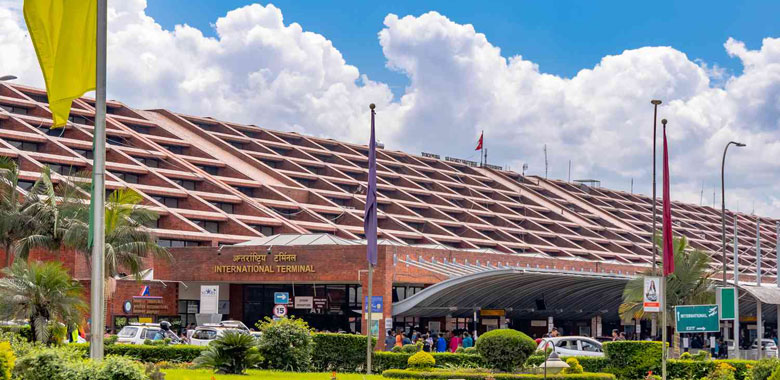
Airport transfer by private car/van/bus in accordance with the itinerary.
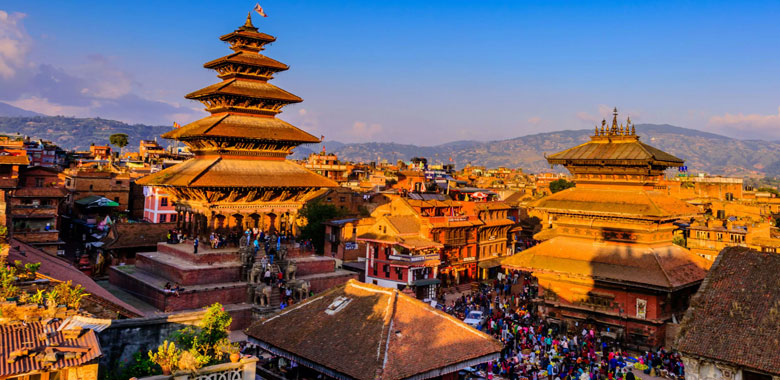
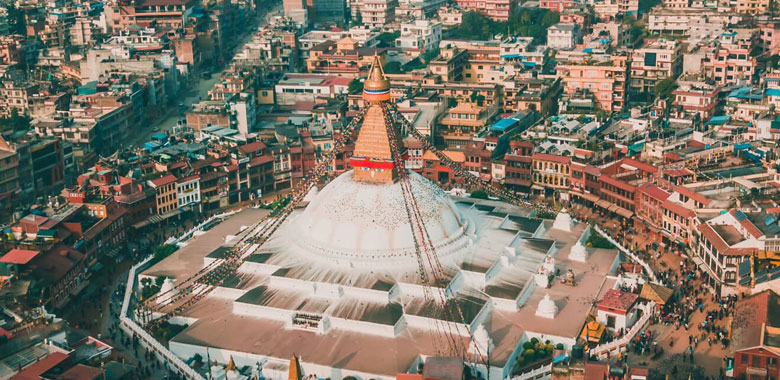
Guided sightseeing tour around Kathmandu valley by private car/van/bus.
Entrance fees and tickets during a guided sightseeing tour in Kathmandu valley.
2 Nights' Accommodation at a Michelin star luxury hotel in Kathmandu with Bed and Breakfast.
Paper works, national park entry permit, Khumbu rural municipality entry permit, Peak permit fee, and expedition royalty fees.
Lukla Flight Fees.
Route fixing (SPCC and EOA) fees.
Liaison officer fees.
Wages for porter, guides and climbing guides.
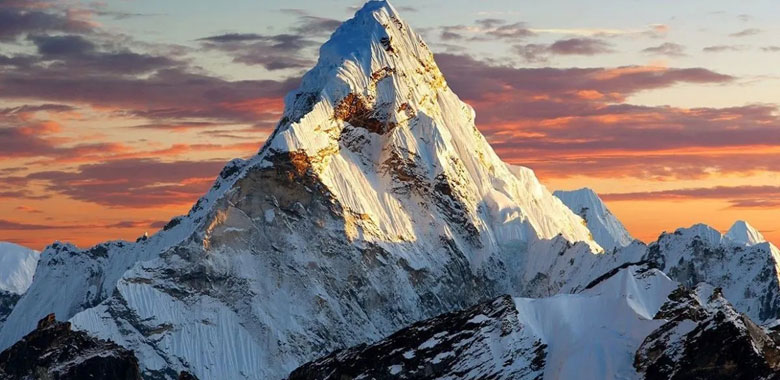
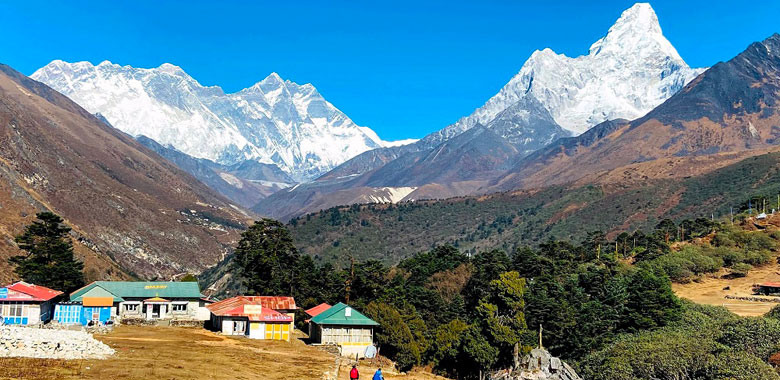
Ama Dablam Region Map.
Accommodation during lodge trekking in lodges or tea houses.
Breakfast + Lunch + Dinner in accordance with the package during the lodge trekking.
2 Expedition duffel bags per climber.
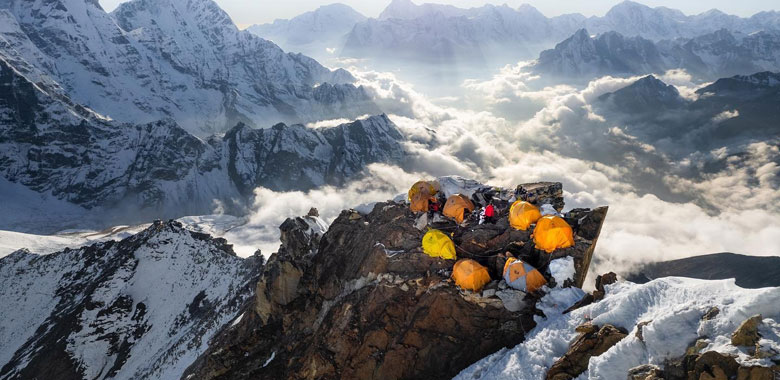
Tented Accommodation in Camps (Twin sharing Basis).
Provision of kitchen tent, store tent, dining tent, and toilet tent.
Walkie-talkies for each member base unit at base camps.
Sleeping Tent and mattress for each member.
Provision of kitchen and dining equipment as well as eating utensils.
Provision of meals (Breakfast + Lunch + Dinner) during camping.
Food supply and expedition equipment logistics transportation to and from the base camp.
Travel insurance to all Nepalese staff.
Cook and kitchen boy at the camps.
Gamow bag (Portable Altitude Chamber).
Collective climbing equipment such as climbing rope, ice screws, snow bars, and a snow shovel.
Heaters in the mess tents at base camps.
Satellite phone provision (costs apply per usage).
Emergency Helicopter Service arrangement in accordance with the Travel Insurance.
Government Taxes.
Airport transfer by private car/van/bus in accordance with the itinerary.
2 Nights' Accommodation at a Michelin star luxury hotel in Kathmandu with Bed and Breakfast.
Farewell dinner.
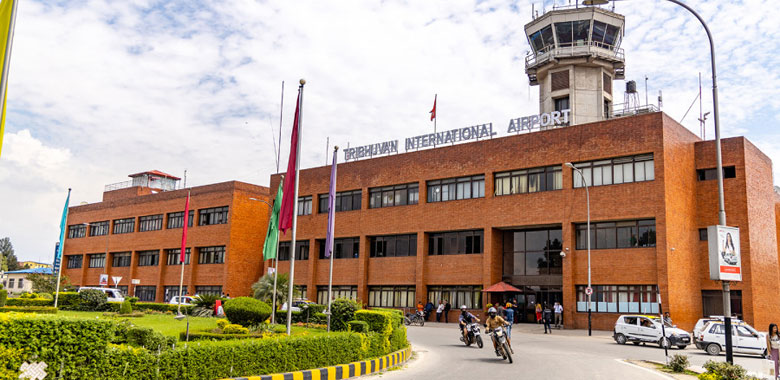
Visa for Nepal (You may easily acquire a visa on arrival at Tribhuvan International Airport in Kathmandu; carry 2 Passport Size photos on hand).
Lunch and Dinner at Kathmandu.
Bar bills and laundry service.
Mandatory Travel Insurance.
Medical and Emergency Insurance.
Rescue, medical and hospitalization expenses.
Personal Climbing Equipment.
Extra Oxygen Mask and Regulator (can be provided on request).
Alcoholic drinks and beverages.
Personal climbing gear, equipment, and apparel such as ice ax, crampons, climbing boots, jumar, harness, slings, karabiners, descender, and prussic loops.
Personal snack items such as chocolates, granola bars, and beef jerky.
International airfare and tax.
Garbage deposit fee.
Emergency first aid kit.
Climbing Sherpa.
Generator or solar panel for light and charging at the base camp.
Gratuity fee (tips) for the staff.
Summit Bonus.
Nepal custom duty for import of expedition equipment.
Expenses not mentioned in the including section.
Autumn is one of the best times to appreciate Ama Dablam's splendor as it is the ideal transitional season between summer's extreme heat and winter's wind chill. Autumnal months in Nepal are the months of September, October, and November. The temperature is warm but not too hot at this time of the year. Early autumn weather is mild, with highs of 15 degrees Celsius.
When the weather cools, travelers can catch glimpses of various animals and birds in the forests. It is also wonderful to capture the stunning views of glacier valleys and river terraces during the autumn Ama Dablam expedition. You will witness many of Khumbu's faces and colors during the mountain ascent, draped in the festive season. The local cultures, traditions, values, and identities of people from various ethnic backgrounds will give you a new perspective on the life of Nepal's Himalayas.
September represents the beginning of autumn. It signals calmer, cozier weather with a positive attitude that encourages climbers. The temperature is high at the beginning of the month, making the weather warm. At lower elevations, summer weather predominates, resulting in more rain. The mountain's weather becomes unstable due to the rising temperature, frequently causing avalanches.
Due to the more consistent weather in late September, most hikers prefer this time. Since the temperature drops below -10 degrees Celsius at the summit, the climate is already chilly during the end of September.
At the peak, mountaineers could encounter strong winds and storms. It might bring a lot of strong gusts and low clouds, which could disrupt the excursion. However, mountain climbing is still enjoyable in warm weather and ample sunlight.
Since the weather is lovely, with a mix of warm and cool days, October is arguably the most beautiful month to summit Ama Dablam. With ample time to reach the peak and explore the mountains, it is more hospitable and gracious to climbers.
In October, the weather is generally predictable. Particularly in the lower sections, the first few weeks are warm and pleasant. However, the temperature tends to drop rapidly when you ascend to a high altitude. The temperature can go as low as -15 degrees Celsius at the top of the summit, so packing warm clothes is also a must!
Additionally, it enables climbers to thoroughly understand the diverse cultures, religious heritage, and customs observed during the month. Khumbu residents celebrate important Hindu festivities such as Dashain and Tihar in October. Mountaineers, therefore, have a perfect opportunity to learn about the many ethnic cultures and values during the Ama Dablam expedition in the autumn.
As autumn comes to an end in November, it marks the beginning of winter. Mountaineers can enjoy cool weather with an average temperature range between -15 and -20 degrees Celsius at the summit. Typically, Ama Dablam is chilly at this time of year.
In late November, the mountain is rampant in dust from fresh snow. Parts of Khumbu will face extremely chilly temperatures as it comes closer to winter. However, the days are still pleasant enough to explore and enjoy outdoor activities.
From November onward, the days start to grow shorter, so you'll need to climb more quickly. The month also brings fewer sunshine hours. Thus, it can get chilly quite early in the evening.
Spring is another possible timeframe for the Ama Dablam Expedition. March, April, and May are considered the spring months. Spring is a preferable time to summit because of the vibrant environment and pleasant weather. You should do your part of the study, though, and find out which season suits you the best.
The monsoon and winter are the two worst times of year for the Ama Dablam Expedition. The monsoon season lasts from June through August, and winter lasts from December through February. These seasons, as opposed to autumn, feature extremely arduous and unpredictable weather. Thus, autumn is a better time to start your Ama Dablam Expedition.
Stable Weather Conditions
Autumn offers some of the most predictable and pleasant weather in Nepal. No sudden fluctuations in temperature will occur, and climbers can ascend in calm conditions.
Less Rain and Snowfall
The monsoon has just ended and winter is yet to begin. With minimal rain and snow, the weather is calm and sunny — ideal for climbing.
Crystal-Clear Sky
Clear skies and brilliant sunshine make visibility excellent, allowing climbers to see every detail of the Himalayan landscape.
Beautiful Himalayan Landscapes
Autumn brings crisp air, lush valleys, and breathtaking mountain vistas — making the climb visually rewarding.
Lesser Climbers on the Route
Although trekking trails in the Everest region are busier in autumn, fewer climbers attempt Ama Dablam compared to spring, giving you a more peaceful ascent.
Autumnal Festivals
Dashain and Tihar (October–November) add cultural vibrancy to your expedition. You’ll experience Nepal’s most celebrated festivals along with your climb.
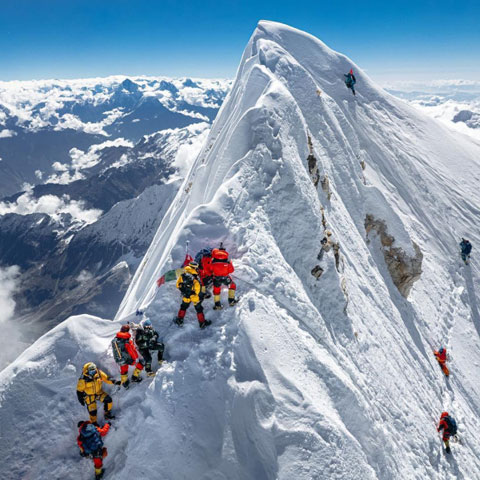
The Ama Dablam Expedition is considered extremely challenging and demands excellent fitness, stamina, and mountaineering skills. The most difficult stretch lies between Base Camp and Camp II, requiring technical expertise in both ice and rock climbing.
Factors affecting the difficulty include:
Harsh temperature and weather conditions
Steep ascent routes
Physical fitness and endurance
Risk of altitude sickness
Distance and duration of climb
Required mountaineering techniques and gear
To climb Ama Dablam, you need the following permits:
Nepal Mountaineering Royalty Fee for Ama Dablam: US$ 400
Khumbu Pasang Lhamu Rural Municipality Entry Permit: US$ 20
Sagarmatha National Park Entry Permit: US$ 30
Documents Required:
Passport
Valid Visa
Two passport-sized photos
Occupation proof
Home address
Insurance policy copy
Proof of mountaineering experience
Personal Equipment
Backpacks, sleeping bag, pads, sunscreen, lip balm, bottles, toiletries, thermos, multi-tool, compression sacks, camera gear.
Climbing Equipment
Ice axe, crampons, harness, helmet, ascender, belay device, prussiks, poles, carabiners.
Footwear
Trekking shoes, insulated climbing boots, overboots, gaiters, socks, liners.
Technical Clothing
Base layers, nylon pants, synthetic/soft shell jackets, insulated pants, down parka, hardshell jacket/pants.
Handwear
Light to expedition gloves, mitts, warmers.
Headwear
Headlamp, glacier glasses, ski goggles, balaclava, wool hat, sun cap, bandanas.
First Aid
Personal medicines, first-aid kit, water/tea, snacks, knife, sunglasses, radio, mobile phone, communication gear.

Discover Asia, Discover Yourself.
14501 Grand Ave., Burnsville, MN, 55306 trips.path2asia@gmail.com Whatsapp : 6126019136